
Our Blog
Tips, guides, and updates on managing your vehicle documents.
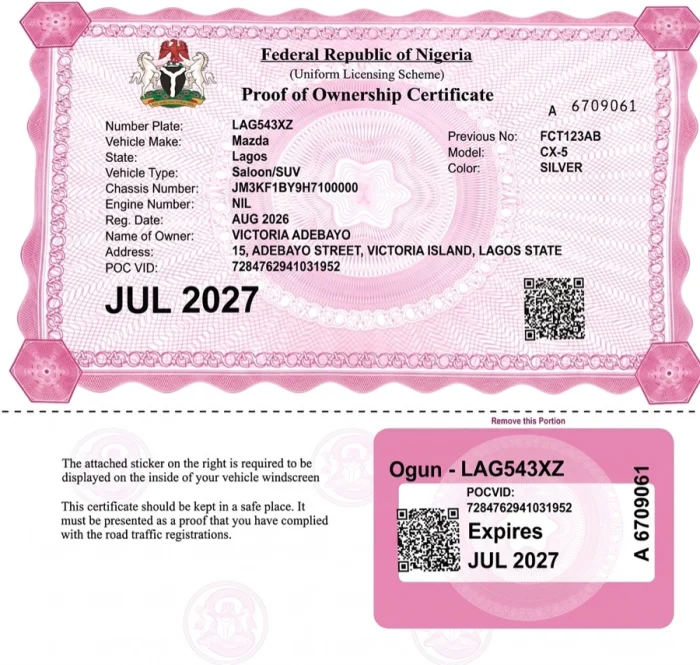
Mar 20, 2026
How to Keep Your Car Documents Safe in Nigeria
Keeping your car documents safe is essential for every vehicle owner in Nigeria. Whether it's your registration, insurance papers, or maintenance records, these documents are critical for proving ownership and compliance with regulations. In this guide, we'll explore the best practices for storing and managing your vehicle papers digitally to ensure they're always accessible when you need them. First, consider going digital. Instead of keeping physical copies in your glove compartment, take clear photos or scans of all your documents and store them in a secure digital format. This reduces the risk of loss or damage from weather, accidents, or theft. Use cloud storage services that offer encryption and backup features to protect your documents. Second, organize your documents systematically. Create folders for different document types: registration, insurance, maintenance records, and inspection reports. Include dates on all files so you can easily identify the most recent versions. Third, keep physical backups in a safe location. While digital storage is convenient, it's wise to maintain copies in a waterproof, fireproof safe at home or with your bank. This ensures you have access even if you face technical issues. Lastly, make sure to update your documents regularly. When you renew your insurance, change your registration, or complete major maintenance, immediately add the new documents to your digital storage. Staying organized now will save you countless headaches when you need to access important information.
Read more →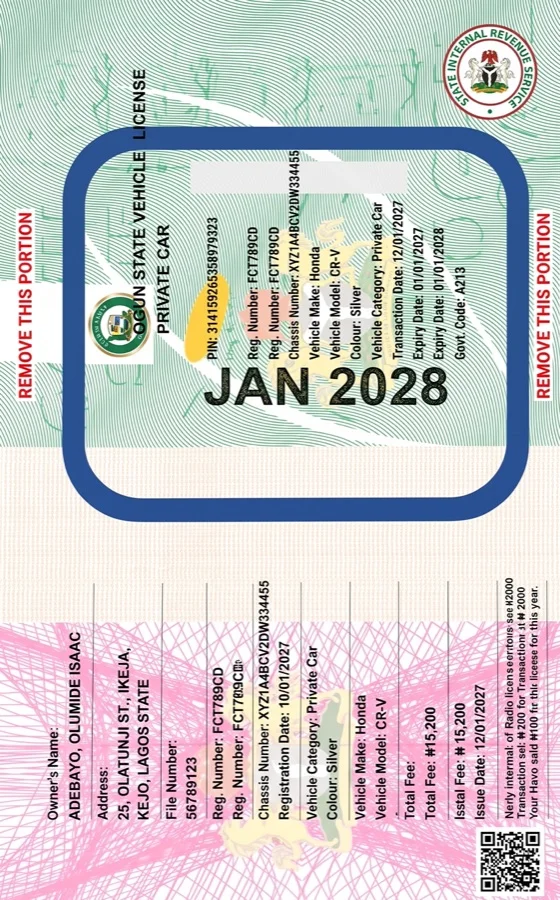
Mar 18, 2026
Why Digital Vehicle Records Matter
In today's fast-paced world, keeping track of physical documents is becoming increasingly difficult. For vehicle owners in Nigeria, digital records have become more important than ever. This blog explores why maintaining digital vehicle records is crucial for every car owner. Digital records ensure quick access during emergencies. Imagine being stopped by a traffic officer and needing to provide proof of insurance or registration. With digital records on your phone, you can instantly pull up these documents. This quick accessibility can help you avoid unnecessary fines and legal complications. Digital records also provide accountability and proof of maintenance. By keeping digital copies of all service records, inspection reports, and repair invoices, you can track your vehicle's maintenance history. This documentation is invaluable when selling your car, as it demonstrates to potential buyers that the vehicle has been well-maintained. Another advantage is the reduced risk of document loss or damage. Physical documents can be damaged by water, fire, or simply misplaced. Digital records stored in the cloud with proper backups are virtually immune to such risks. You can access them from anywhere, at any time, and they're always protected. Digital records also make tax and insurance claims easier. When you file an insurance claim for damage or theft, having organized digital records of the incident and your vehicle's condition can speed up the process and increase the likelihood of claim approval. Finally, digital records help you comply with regulations. Many Nigerian states now require proof of regular vehicle inspections and maintenance. Digital records make it easy to demonstrate compliance and avoid penalties.
Read more →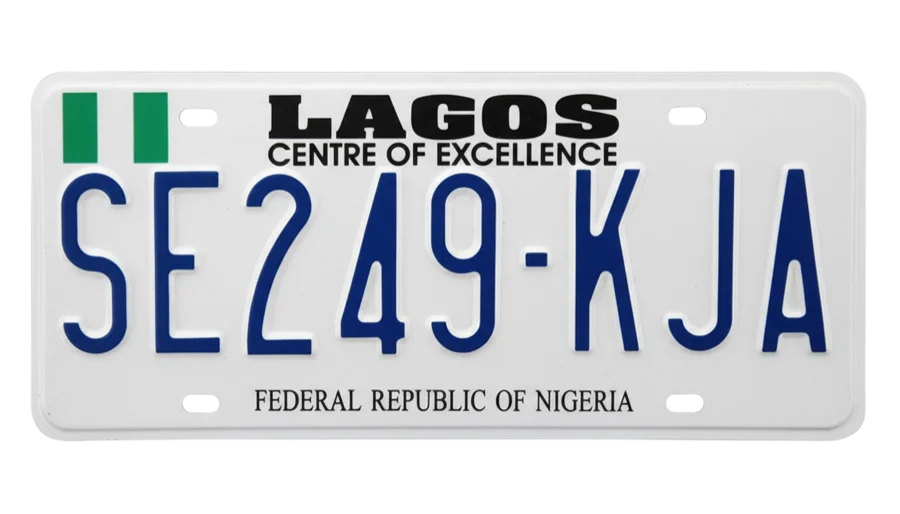
Mar 15, 2026
Top 5 Mistakes Car Owners Make
Managing vehicle documents can be overwhelming, and many car owners fall into common traps that can lead to costly mistakes. Here are the top 5 mistakes to avoid: Mistake #1: Not Keeping Copies of Important Documents. Many owners keep only one copy of their registration, insurance, and inspection certificates. If the original is lost or damaged, they're left scrambling. Always maintain multiple copies—physical and digital—stored in different locations. Mistake #2: Forgetting to Renew Documents on Time. It's easy to forget when your insurance or inspection certificate expires. Missing renewal deadlines can result in hefty fines and legal trouble. Set reminders on your phone for renewal dates and mark your calendar. Mistake #3: Mixing Up Old and New Documents. Car owners often keep both old and new versions of documents without clearly labeling which is current. This confusion can lead to presenting expired documents to authorities. Always date your documents clearly and purge old versions from your active storage. Mistake #4: Not Keeping Maintenance Records. Many owners skip keeping records of repairs and maintenance. This is a mistake because maintenance records are crucial for warranty claims, resale value, and proving compliance with service requirements. Keep detailed records of every service, repair, and inspection. Mistake #5: Storing Important Documents in Unsafe Locations. Never keep your original documents in your car's glove compartment where they can be stolen or damaged. Store originals in a safe at home or with your bank, and carry digital copies on your phone. By avoiding these common mistakes, you'll ensure that your vehicle documents are always in order and easily accessible whenever needed.
Read more →
Mar 10, 2026
How Motoka Simplifies Your Life
Managing multiple documents, maintenance schedules, and vehicle information can be a headache for any car owner. That's where Motoka comes in—a comprehensive platform designed to simplify every aspect of vehicle management. Motoka brings all your vehicle information to one place. Instead of juggling multiple apps, files, and physical documents, Motoka centralizes everything: vehicle registration, insurance policies, maintenance records, inspection certificates, and more. With everything in one secure location, you'll never struggle to find important information again. Our platform offers intelligent reminders and notifications. Motoka automatically reminds you when your insurance is about to expire, when it's time for your next inspection, or when maintenance is due. These timely alerts help you stay compliant with regulations and avoid costly fines. Motoka provides document verification and tracking. Our advanced system verifies your documents and tracks their status. You'll always know if a document is expiring soon or if you need to take action. This transparency gives you peace of mind that everything is in order. The platform also offers secure backup and accessibility. All your documents are encrypted and backed up in the cloud, ensuring they're always safe and accessible—whether you're at home, at a workshop, or on the road. You can access your documents from any device, anytime. Motoka also facilitates seamless document sharing with mechanics, insurance companies, and authorities. Instead of printing or photocopying documents, you can securely share them directly through the platform. This reduces paperwork, speeds up processes, and helps you maintain proper documentation trails. Finally, Motoka empowers you with insights. The platform provides analysis of your maintenance spending, vehicle performance trends, and recommendations for care. This data helps you make informed decisions about your vehicle's upkeep and budget accordingly. In essence, Motoka transforms vehicle document management from a frustrating chore into a smooth, effortless process. Join thousands of Nigerian car owners who are already enjoying the benefits of simplified vehicle management.
Read more →
Sep 2, 2026
How to Register a New Commercial Vehicle in Lagos
So you just added another bus, van, or truck to your fleet — congrats, that's growth. But before that vehicle can legally hit Lagos roads carrying goods or passengers, there's paperwork to sort out, and it's far less painful when you know exactly what's coming. Lagos treats commercial vehicles differently from private cars. There's an extra layer of registration, permits and inspections, because you're moving people or cargo for money and the state wants to know the vehicle and its drivers can be trusted on the road. Step 1: Get your proof of ownership sorted first Before anything else, make sure you have clean documentation for the vehicle itself: - Custom duty certificate for imported (tokunbo) vehicles, or purchase receipt/invoice for a brand-new vehicle bought from a dealership - Vehicle Identification Number (VIN) and engine number clearly visible and matching your paperwork - A valid means of ID for the company or individual registering the vehicle — for businesses this usually means your CAC certificate too Skipping this step is one of the biggest reasons registrations get delayed, so double-check everything matches before you move forward. Step 2: Register the plate number with FRSC Registration runs through the FRSC's National Vehicle Identification Scheme (NVIS). You'll need proof of vehicle ownership — the customs duty certificate for an imported vehicle, or the sales receipt for a new one — plus one accepted form of owner identification. For a company vehicle the natural choice is your CAC/RC number, but a National ID, driver's licence, international passport or Tax Identification Number are each accepted on their own. This is worth clearing up, because TIN is often described as an extra requirement for commercial vehicles. On the official NVIS form it is one of several accepted identification types, not an addition to them. Insurance is captured as a policy number during registration rather than a certificate you hand over, and your address is entered as a form field rather than evidenced with a separate proof-of-address document. Requirements do change, so confirm against nvis.frsc.gov.ng before making the trip. Mismatched details are a classic cause of rejected applications, so triple-check spellings, chassis numbers and dates. Once your plate is issued, verify it through the NVIS portal. Step 3: Get your Roadworthiness Certificate from VIS This is where commercial vehicles get extra scrutiny. The Lagos State Vehicle Inspection Service (VIS) — formerly the Vehicle Inspection Unit — issues the roadworthiness certificate, and LASTMA has the power to impound any vehicle caught without one. For a new commercial vehicle, book an inspection slot, take the vehicle in, and be ready for a queue: VIS centres get busy toward month-end when businesses are racing renewal deadlines. Book your slot as soon as you take delivery of the vehicle, not the week you plan to put it on the road. Step 4: Sort out your Hackney Permit If the vehicle will carry passengers commercially — staff buses, ride-hailing, shuttle services — you need a Hackney Permit on top of everything else. It's issued through the Lagos State Ministry of Transportation and is separate from your regular vehicle licence. It's effectively Lagos confirming that this specific vehicle is cleared to carry paying passengers. Step 5: Make sure every driver has a LASDRI card Here's one people forget: it's not just the vehicle that needs registering — the driver does too. Commercial vehicle drivers, pick-up owners and company vehicle drivers in Lagos must be certified by the Lagos State Drivers' Institute (LASDRI), separately from their regular driver's licence. Drivers must be 18 or over and already hold a valid licence to be trained. This is annual, not one-and-done. Lagos law requires professional drivers to be recertified every year, at a fixed registration fee of ₦2,000. It's also the fleet owner's problem, not just the driver's: a valid LASDRI recertification card is a prerequisite for employment by corporate organisations in Lagos, and employers using uncertified drivers can be sanctioned. Build the renewal date into whatever you use to track vehicle documents, because it expires on its own schedule. Step 6: Get third-party or comprehensive insurance Non-negotiable, and it applies across Nigeria rather than just Lagos. Your commercial vehicle needs valid insurance before it can be registered. For fleet vehicles carrying goods or people, comprehensive cover is usually worth the extra spend — one accident without it can wipe out months of profit. Step 7: Keep all documents in the vehicle, always Once everything is issued, keep physical or digital copies inside the vehicle at all times: vehicle licence, roadworthiness certificate, insurance certificate, hackney permit if applicable, and the driver's LASDRI card and licence. Enforcement checks are common on Lagos roads, and having everything on hand keeps things quick. A quick recap for your checklist 1. Confirm ownership documents and VIN/engine number match 2. Register plate number with FRSC through NVIS 3. Get Roadworthiness Certificate from VIS 4. Apply for Hackney Permit if carrying passengers 5. Ensure drivers have LASDRI certification 6. Secure insurance cover 7. Keep documents in-vehicle and copies on file Registering one vehicle is manageable on your own. But scaling a fleet — five, ten, fifty vehicles — multiplies this process across every vehicle and every renewal date until it becomes a job in itself. Motoka tracks each vehicle's expiry dates in one place and handles the renewals, so nothing slips through the cracks.
Read more →
Sep 2, 2026
Understanding Dealer Plate Numbers in Nigeria
If you're in the car sales business, or you run a fleet that regularly moves unregistered vehicles from the port to a showroom, you've come across dealer plates. But a lot of people misunderstand what these plates are actually for — and that misunderstanding is currently getting vehicles impounded in Lagos. So what exactly is a dealer plate number? Think of a dealer plate as a temporary, business-linked plate number rather than a personal registration tied to one specific car. Vehicle dealers are allocated their own set of plate numbers for vehicles in transit or waiting to be sold. Instead of registering every car passing through your lot under its own plate, you use dealer plates to legally move and test-drive vehicles that haven't been registered yet. You'll usually spot them by their distinct design — they stand out from regular plates so enforcement officers can immediately tell a vehicle is operating under dealer status. What dealer plates are actually meant for This is where businesses get it wrong. Lagos State's Transport Sector Reform Law of 2018 permits dealer number plates only for specific, limited activities — not everyday driving. The approved uses are: - Authorised test drives - Vehicle inspections - Delivering or collecting a vehicle - Transporting an unregistered vehicle from the port or a dealership to a specific destination What they are not for: daily commuting, continuous use on public roads, or driving a vehicle that has already been sold to a customer. Once a car is sold, it needs its own registration. Why this matters right now Lagos State has re-issued a firm warning to motorists and car dealers about this exact misuse. The state's Vehicle Inspection Service has impounded vehicles for violating dealer plate rules, and offenders face confiscation, impoundment and possible prosecution. If your business has been quietly using dealer plates as a workaround for full registration, tightening that up now is considerably cheaper than the alternative. How to actually get a dealer plate number If your business genuinely needs dealer plates — a dealership, auto importer, or vehicle logistics company — the general path looks like this: 1. Register your business properly. You'll need your CAC certificate showing registered company name and address. Individuals can't apply as though they're a business. 2. Apply through the appropriate state licensing office or an accredited agent. In Lagos this typically runs through the vehicle licensing authorities alongside your business registration documents. 3. Provide the required documents — generally CAC certificate, valid ID, proof of business address, and sometimes evidence of the nature of your trade such as import permits or dealership agreements. 4. Expect a processing window. This is rarely instant — allow a few weeks rather than a few days, and budget for official fees plus documentation costs. 5. Receive a defined number of plate pairs, not unlimited use. Dealer plates are issued as a limited set meant to rotate across vehicles currently in your inventory. Practical tips for staying compliant - Keep a log. Note which vehicle each dealer plate is on, and why — test drive, delivery, inspection. Being able to explain the approved purpose on the spot makes a real difference if VIS stops you. - Don't let staff use dealer-plated vehicles for personal errands. That is exactly the misuse currently being clamped down on. - Move fast on new registrations. The moment a vehicle is sold or ready for permanent use, get it onto its own plate rather than letting it linger on a dealer plate for convenience. - Train drivers and sales staff on what dealer plates are and are not for. Most violations happen because staff simply do not know the rules. Dealer plates are genuinely useful for businesses that move unregistered vehicles day to day, but they come with real limits that Lagos is actively enforcing. Get the business properly registered, apply through the right channel, and use the plates strictly as designed — it is a lot cheaper than an impounded vehicle and a court date. When a vehicle is ready for its own registration, Motoka can handle it without a trip to the licensing office.
Read more →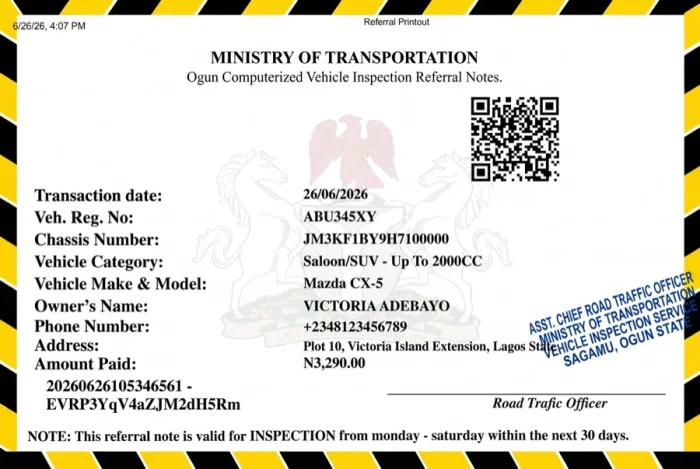
Sep 2, 2026
Common Mistakes When Renewing Vehicle Licences in Nigeria
Renewing your vehicle documents in Nigeria sounds simple on paper: pay, submit, collect. In practice it trips up even experienced fleet operators, because the small details are where things go wrong. If you have ever had a vehicle flagged for expired papers when you were sure you renewed it, you already know the feeling. Here are the mistakes that come up again and again — and how to sidestep them. Mistake 1: Waiting until the last minute Renewal is not instant. Between inspections, processing and queues at the licensing office, things take longer than expected. Enforcement has tightened noticeably in recent years, and starting at least a month before expiry gives you enough buffer to absorb any hiccup. Mistake 2: Assuming passing inspection means you have the certificate Passing your roadworthiness test at a VIS centre and actually holding the certificate are two different things. There are well-documented cases of vehicles passing inspection while the certificate itself takes days or weeks to issue — and if your old certificate's grace period runs out before the new one is in hand, you can still be flagged by enforcement or automated plate-recognition cameras. Follow through until the certificate is genuinely in your possession. Mistake 3: Letting insurance lapse separately Vehicle licence, roadworthiness and insurance often carry different expiry dates because they were issued at different times. It is easy to renew the licence and completely forget third-party insurance expired two months ago. Nigerian law requires valid insurance at all times, and officers check it as often as roadworthiness. Keep one calendar with every expiry date, not just the one currently on your mind. Mistake 4: Mismatched details across documents Your licence, roadworthiness certificate, insurance and proof of ownership all need to line up — same plate number, same owner name, same vehicle details. If your business changed its registered name, or a vehicle changed hands without the paperwork being updated, you will hit delays or outright rejection. A mismatch is the quickest way to turn a same-day renewal into a two-week saga. Compare every document side by side before submitting. Mistake 5: Not budgeting for the current cost Renewal costs shift more often than people expect, and arriving short on funds or with the wrong payment method is a common, avoidable delay. Prices vary by vehicle type, state, and whether you are renewing privately or as part of a commercial fleet. Check current rates rather than relying on what you paid last year. Mistake 6: Skipping online verification Once renewed, don't assume everything is fine. Verify your plate number and documents through the FRSC's portal or the relevant SMS shortcode. It takes two minutes and catches errors — wrong dates, misspelled names — while they are still easy to fix. Mistake 7: Not keeping proof of every payment Licensing offices occasionally have record-keeping hiccups. If a dispute ever arises about whether you renewed on time, your own receipts and certificates are the backup. Save digital copies the same day you collect any renewed document rather than filing it away later. Mistake 8: Treating renewal as a one-person job when you run a fleet If you manage more than a couple of vehicles, tracking every expiry manually — in your head, a notebook, or a dozen WhatsApp reminders — means something will slip. This is where many Lagos fleet operators start losing money to fines and downtime: not because they do not care about compliance, but because nothing flags the deadline automatically. The simple fix for most of these Nearly every mistake here comes down to the same root cause: timing and tracking. Start early, keep documents consistent, and have a system that tells you what is expiring and when — before it becomes a problem on the road. Motoka tracks each expiry date, flags it well in advance, and handles the renewal itself — so the timing problem and the paperwork problem get solved together.
Read more →
Sep 2, 2026
How Recent Nigerian Traffic Regulations Affect Fleet Management Costs
If you run a fleet in Nigeria right now, you have probably felt it: the rules keep shifting, and every shift touches your bottom line. Some recent changes are genuinely good news for your budget. Others are quietly adding cost through stricter enforcement. Here is what is actually happening and what it means for your numbers. The big one: vehicle import levies just got cheaper Under the 2026 Fiscal Policy Measures that took effect on 1 July 2026, the federal government cut the import levy on new vehicles from 20% to 10%, and on used (tokunbo) vehicles from 15% to 5%. Duties on fully-built passenger vehicles were reduced from 70% to 40% earlier in the year, effective 1 April 2026, with a 90-day grace period for importers holding existing Form M documentation. For fleet owners importing directly, or buying from dealers who import, that is real money. If you held off expanding because the maths looked ugly, it is worth re-running your numbers. The catch: the new Green Tax Alongside the levy cuts, the government introduced a Green Tax Surcharge on certain vehicle categories based on engine capacity — the bigger the engine, the more it bites. If your fleet leans toward SUVs, pickups or larger-engine vehicles, this surcharge could offset some of the import savings. Mass transit buses and electric vehicles, by contrast, have been exempted from import duties, which is a real incentive if you are weighing EVs or larger passenger buses. Practically: engine size now carries a direct financial consequence beyond fuel economy. Factor the Green Tax into total cost of ownership, not just the sticker price. Stricter enforcement is raising the cost of non-compliance Enforcement around expired documents has tightened noticeably. For a fleet operator this changes the maths on compliance. A lapsed document used to mean a small fine if you were unlucky. Now, with automated tools like ANPR (Automatic Number Plate Recognition) cameras feeding enforcement, the odds of being caught are climbing, and every impounded vehicle costs revenue days on top of the fine. Fuel, naira and the wider cost pressure It is not only regulation driving fleet costs. Fuel prices have continued climbing since subsidy removal, naira depreciation has pushed up the cost of imported parts, tyres and lubricants, and persistent inflation is raising driver wages and maintenance. The result is a cost structure under pressure from several directions at once, not one policy change. Dealer plate crackdowns add another compliance layer Lagos State has also stepped up enforcement on dealer plate misuse, impounding vehicles using dealer plates for regular daily operations rather than their approved, limited purposes. If your fleet has been using dealer plates as a stop-gap for vehicles awaiting full registration, tightening that now avoids a nasty surprise — release fees, downtime and possible prosecution dwarf whatever was saved by delaying registration. What fleet managers should actually do with this 1. Re-evaluate your next fleet purchase against the new import rates. Get updated quotes rather than relying on last year's figures. 2. Factor the Green Tax into vehicle selection, especially when choosing between engine sizes or considering mass transit and electric options. 3. Treat document renewal as a cost-control issue, not just a legal one. With enforcement tightening, every lapsed document is a bigger financial risk than it used to be. 4. Build a buffer into your operating budget for fuel and parts volatility — these move independently of any single regulation. 5. Audit how your fleet uses dealer plates, and move vehicles onto proper registration as soon as they are road-ready. 2026 has brought a mixed picture: real savings on the import side, real cost pressure from tighter enforcement and new surcharges. The fleets that come out ahead will be the ones that rework their budgets and compliance processes around the changes. Motoka handles the compliance half — tracking every expiry across your fleet and processing the renewals before they become fines.
Read more →
Sep 2, 2026
Digital Tools for Tracking Licence Expiries and Compliance
Let's be honest: the moment your fleet grows past a handful of vehicles, keeping every roadworthiness certificate, insurance policy, hackney permit and driver's licence straight in your head (or a notebook) stops working. Something always slips — and it's usually the one document you didn't think about that month. This is exactly the gap digital compliance tools are built to close. Why manual tracking breaks down so fast Most Nigerian fleet operators are still fixing vehicles when they break down rather than before, and the same reactive pattern shows up with paperwork. Vehicle papers expire quietly and nobody notices until a driver gets stopped by FRSC or LASTMA. Multiply that risk across ten, twenty or a hundred vehicles, each with three or four documents on different renewal cycles, and it stops being a "did we forget" problem and becomes a "we don't have a system" problem. What a good compliance tracking system actually needs to do Before jumping into specific tools, it helps to know what you're actually looking for: - Automatic expiry tracking for every document type — vehicle licence, roadworthiness certificate, insurance, hackney permit, driver's LASDRI card and licence — with alerts sent before the deadline, not on the day - Per-vehicle and per-driver records, so you can see at a glance which specific vehicle or driver needs attention - Centralised access for your team, so whoever's handling renewals isn't the only person who knows what's due - Integration with GPS and telematics data, if you're already tracking vehicle location and usage - Simple reporting, so you can show at a moment's notice — to a client, an auditor, or your own management — that your fleet is fully compliant The types of tools worth looking at Dedicated fleet management platforms with built-in compliance tracking. A number of platforms serving the Nigerian market now bundle document expiry tracking alongside GPS location, fuel monitoring and driver behaviour scoring. The advantage is having everything in one dashboard instead of juggling a tracking app, a separate spreadsheet and WhatsApp reminders. Look for platforms that explicitly mention roadworthiness, insurance and permit tracking as a feature, not just GPS. GPS and telematics providers with compliance add-ons. If you already use a GPS service for routing, driver monitoring or fuel management, check whether it offers document expiry alerts as an add-on. Several providers active in Nigeria now build this in, because customers kept asking. General-purpose reminder and scheduling apps. If your fleet is still a handful of vehicles, a shared calendar with recurring reminders set well ahead of each expiry can genuinely cover you. The key is discipline: someone has to own it, and it needs checking weekly. Spreadsheet-based trackers. Plenty of Lagos operators start with a shared sheet of vehicle, document type, issue date and expiry, colour-coded as deadlines approach. It works for a while, but it depends entirely on someone remembering to update it. Treat it as a stepping stone, not a permanent plan. What to prioritise if you're choosing your first tool 1. Get expiry tracking working reliably first — even a well-maintained spreadsheet with real reminders beats an expensive platform nobody updates. 2. Add GPS and telematics next, once compliance tracking is solid, since it adds operational value on top of compliance. 3. Centralise access so the information isn't trapped on one person's phone or laptop. 4. Review monthly, not just when an alert fires — a quick monthly sweep across the whole fleet catches what a single-document alert might miss. The real payoff The businesses that get hit hardest by expired documents aren't the ones without money for renewals — they're the ones without a system to know renewals are coming. A solid digital tracking setup, even a modest one, pays for itself the first time it stops a vehicle sitting impounded for a week over a certificate that should have been renewed a fortnight earlier. In a city like Lagos, where enforcement has genuinely tightened, that visibility isn't a nice-to-have — it's basic fleet hygiene. Motoka keeps every vehicle's licence, roadworthiness certificate and insurance in one encrypted wallet, sends reminders well ahead of each expiry date, and handles the renewal itself — so tracking and fixing happen in the same place rather than two.
Read more →